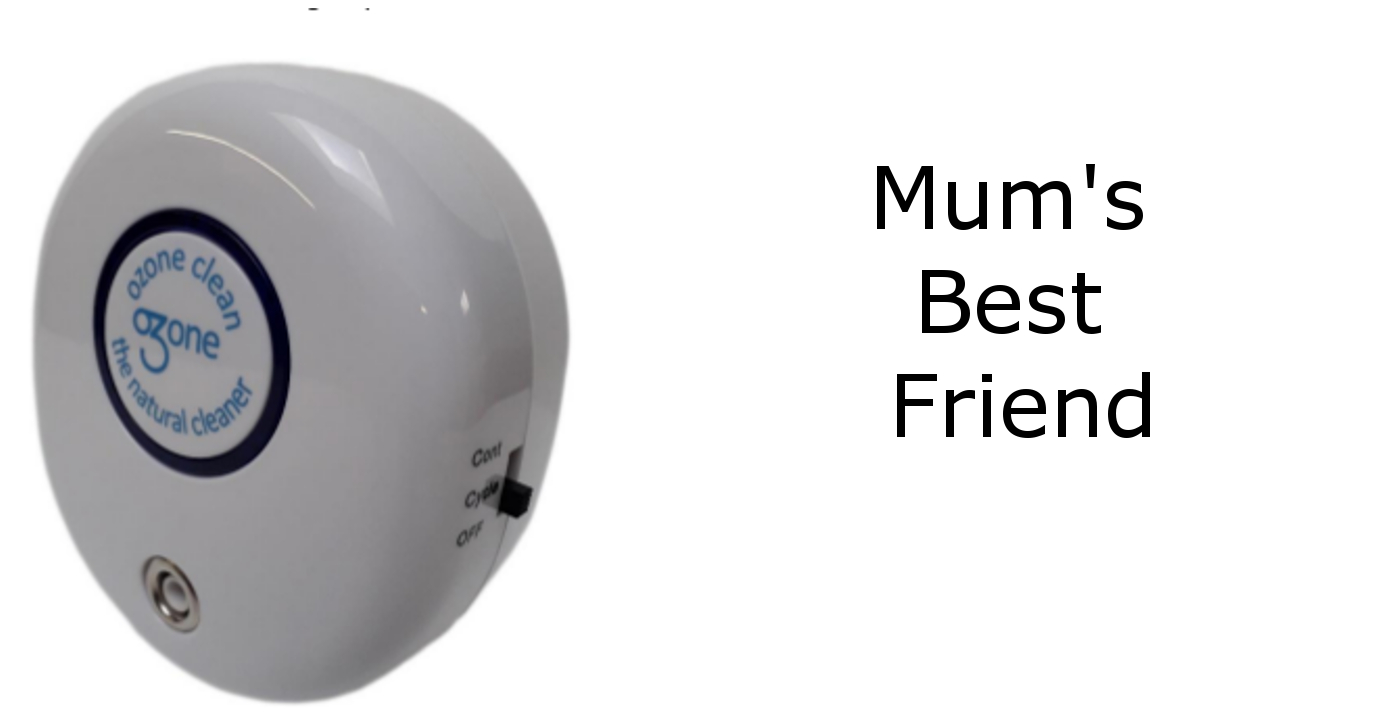

Air quality in offices has become a major focus for businesses across the UK. With employees spending long hours indoors, the condition of the air they breathe has a direct impact on productivity, wellbeing, and overall workplace performance.
Poor indoor air quality can lead to fatigue, headaches, reduced concentration, and increased absenteeism. While traditional ventilation systems and air purifiers offer some level of improvement, many businesses are now turning to ozone machines as a more advanced solution.
Ozone technology is gaining popularity because it addresses not just airborne particles, but also odours, bacteria, and contaminants embedded within the workspace environment.
The Importance of Indoor Air Quality in Offices
Modern office environments often suffer from limited airflow, especially in:
- Open-plan offices
- Meeting rooms
- Co-working spaces
- Buildings with sealed windows
This can result in the accumulation of:
- Carbon dioxide
- Volatile organic compounds (VOCs)
- Dust and allergens
- Bacteria and viruses
Over time, this creates an unhealthy environment that affects both staff performance and long-term health.
Improving air quality is no longer a luxury. It is a business necessity.
What Makes Ozone Machines Different from Standard Air Purifiers
Traditional air purifiers typically rely on filters such as HEPA systems to trap particles in the air.
While effective for dust and allergens, they have limitations:
- They do not eliminate odours at the molecular level
- They require regular filter replacement
- They only treat air that passes through the unit
Ozone machines operate differently.
They release ozone gas, which spreads throughout the entire space and reacts with contaminants wherever they are present. This allows ozone to:
- Reach areas filters cannot
- Neutralise odours completely
- Break down bacteria and viruses
- Treat both air and surfaces simultaneously
Why Offices Are Adopting Ozone Technology
1. Improved Employee Productivity
Clean air has a measurable impact on concentration and cognitive function.
When air quality improves, employees often experience:
- Increased focus
- Reduced fatigue
- Better overall comfort
This can translate into higher productivity across the organisation.
2. Odour Elimination in Shared Spaces
Office environments can accumulate a range of odours from:
- Food and drink
- HVAC systems
- Carpets and furniture
- High foot traffic
Unlike air fresheners, ozone does not mask smells. It removes them entirely, creating a fresher and more professional environment.
3. Enhanced Hygiene Standards
Post-pandemic expectations around workplace hygiene have significantly increased.
Ozone machines help businesses maintain higher standards by:
- Reducing airborne bacteria
- Targeting viruses
- Minimising microbial build-up
This is particularly valuable in high-density office environments.
4. Cost Efficiency Over Time
Although ozone generators require an upfront investment, they can reduce ongoing costs by:
- Lowering reliance on chemical cleaning products
- Reducing the need for frequent deep cleaning
- Minimising maintenance associated with filters
For businesses managing large office spaces, these savings can be substantial.
When and How Ozone Should Be Used in Offices
Ozone is highly effective but must be used correctly.
It is not designed for continuous use in occupied spaces.
Typical office use involves:
- Running ozone treatments after working hours
- Treating specific rooms or areas as needed
- Allowing time for ozone to dissipate before re-entry
This ensures both effectiveness and safety.
Common Office Use Cases for Ozone Machines
Meeting Rooms
Enclosed spaces where air can become stale quickly.
Break Rooms and Kitchens
Areas prone to persistent food odours.
Reception Areas
First impressions matter, and air quality contributes to that experience.
Shared Workspaces
High traffic increases the need for regular air treatment.
Health and Safety Considerations
Businesses must follow clear safety guidelines when using ozone machines.
Key points include:
- Never operate ozone machines while the space is occupied
- Use timers to control treatment duration
- Ensure proper ventilation after use
- Train staff on correct usage
Employers should also consider their obligations under workplace health and safety regulations in the UK.
When handled properly, ozone is both safe and highly effective.
Ozone vs Ventilation Systems
Ventilation systems are essential but not always sufficient.
They work by circulating and diluting air, but they do not actively eliminate contaminants.
Ozone, on the other hand:
- Neutralises pollutants
- Eliminates odours
- Treats stagnant areas where airflow is limited
Using ozone alongside ventilation creates a more comprehensive air quality strategy.
Environmental Considerations
Many businesses are actively seeking ways to reduce their environmental impact.
Ozone machines support this by:
- Reducing the need for chemical cleaning agents
- Minimising waste from filters and consumables
- Providing a more sustainable cleaning approach
This aligns well with broader ESG goals and sustainability initiatives.
Potential Limitations to Be Aware Of
While ozone offers significant advantages, it is not suitable for every scenario.
Limitations include:
- Cannot be used in occupied spaces
- Requires controlled usage
- Not a substitute for basic cleaning and ventilation
Understanding these limitations ensures businesses use ozone effectively rather than incorrectly.
Integrating Ozone into Office Maintenance Routines
For best results, ozone should be part of a structured maintenance plan.
This may include:
- Weekly or bi-weekly treatments
- Targeted use in high-risk areas
- Combining ozone with regular cleaning schedules
A planned approach ensures consistent air quality improvements over time.
Why Demand for Ozone Machines Is Increasing in the UK
Several factors are driving adoption:
- Greater awareness of indoor air quality
- Increased hygiene expectations
- Demand for chemical-free solutions
- Rising operational efficiency requirements
As businesses continue to prioritise employee wellbeing and workplace standards, ozone technology is becoming an increasingly attractive option.
FAQs
Are ozone machines safe for office use?
Yes, when used in unoccupied spaces and following proper safety guidelines.
Can ozone improve employee productivity?
Better air quality can contribute to improved focus and reduced fatigue.
How often should ozone be used in an office?
This depends on usage, but many offices use it regularly as part of maintenance routines.
Do ozone machines replace air purifiers?
They serve a different function and can be used alongside traditional systems for better results.
Read More

What is an Ozone Generator?

Ozone – How to choose
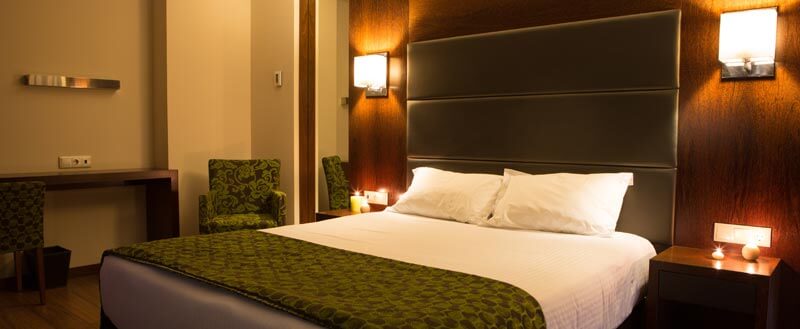
Case Study – Hotels
My Presentation to the UKHA