
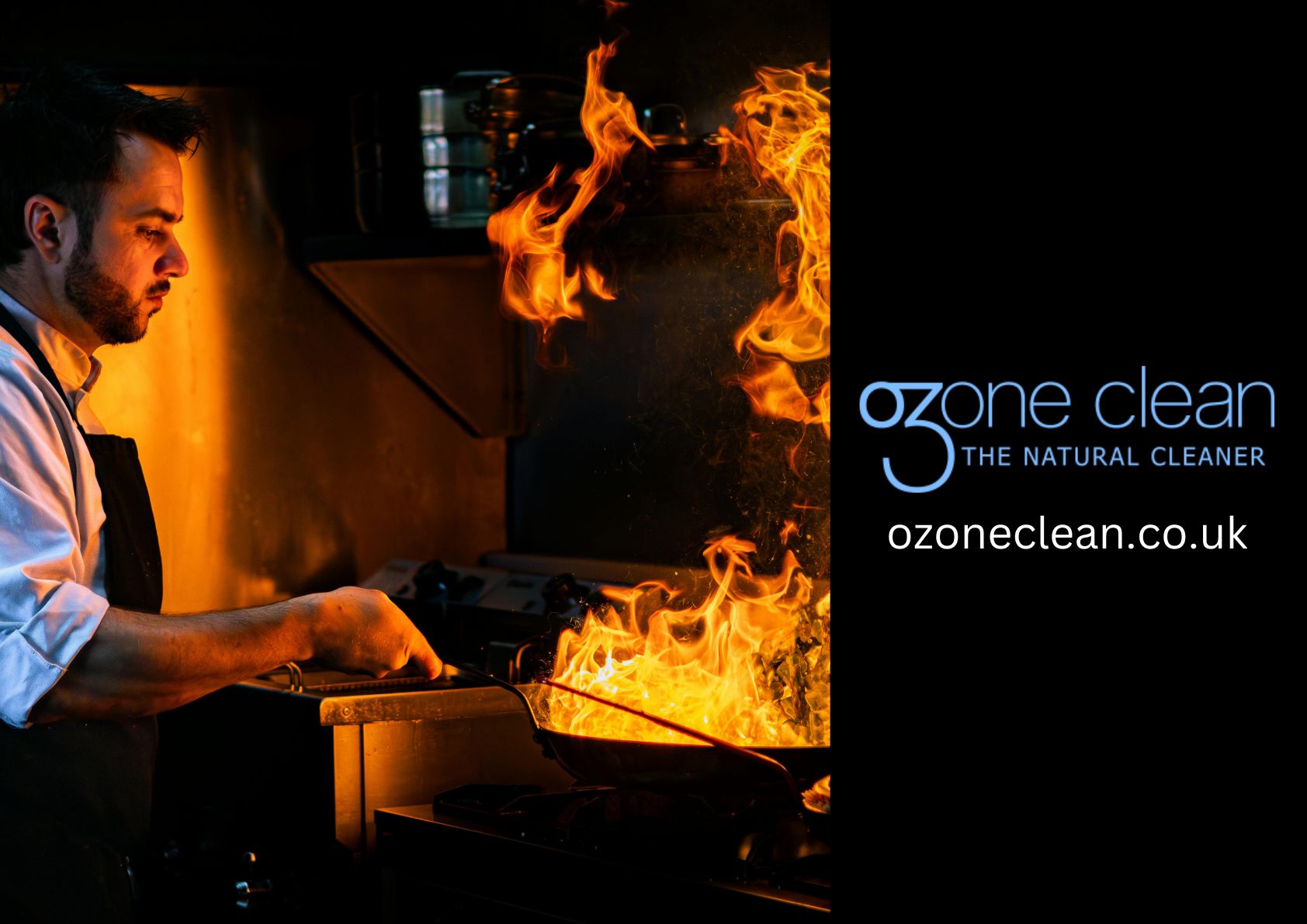
Hygiene Challenges in Commercial Kitchens
Commercial kitchens operate in demanding environments where cleanliness and hygiene are critical. Restaurants, hotels, catering facilities, and food production environments must maintain strict sanitation standards to ensure food safety and regulatory compliance.
These kitchens handle large quantities of food, oils, and organic materials daily. As a result, grease, odours, bacteria, and airborne contaminants can quickly accumulate if proper cleaning procedures are not followed.
Even with regular cleaning routines, certain issues remain difficult to address. Strong cooking odours can linger in ventilation systems, grease particles may circulate through the air, and bacteria can develop in areas that are difficult to reach through conventional cleaning methods.
To support existing sanitation practices, many food service operations are exploring advanced technologies that help maintain cleaner environments. One such technology gaining attention is ozone gas sanitisation.
Understanding Ozone Gas in Sanitisation Applications
Ozone is a gas composed of three oxygen atoms (O₃) and is known for its powerful oxidising properties. When ozone encounters organic contaminants such as bacteria, mould spores, or odour-causing compounds, it reacts with them through oxidation.
This reaction breaks down the molecular structure of these contaminants, effectively neutralising them. Because ozone eventually reverts back to oxygen, it does not leave chemical residues after treatment.
These characteristics make ozone gas a useful tool in controlled sanitisation processes, particularly in environments where hygiene is essential.
Why Commercial Kitchens Benefit from Advanced Sanitisation
Food preparation areas present several unique challenges that require ongoing hygiene management.
High Levels of Organic Residue
Cooking processes generate grease, food particles, and organic waste. These substances can accumulate on surfaces, equipment, and ventilation systems, creating conditions where bacteria and unpleasant odours may develop.
Persistent Cooking Odours
Restaurants and commercial kitchens often struggle with strong odours caused by frying oils, spices, and food waste. These odours may spread beyond the kitchen area and affect dining spaces or neighbouring premises.
Bacterial Growth
Warm, humid environments combined with food residue create conditions where bacteria can thrive. Maintaining strict sanitation procedures is therefore essential to minimise contamination risks.
Ozone gas technology can assist with addressing these challenges by targeting contaminants that may not be fully eliminated through routine cleaning.
How Ozone Gas Supports Kitchen Hygiene
Ozone sanitisation systems work by releasing controlled amounts of ozone gas into a designated area. As the gas circulates through the space, it reacts with odour-causing molecules and microorganisms.
This process can help neutralise airborne bacteria and reduce odours that originate from cooking activities or organic waste.
Because ozone is a gas, it can disperse throughout the environment and reach areas that may be difficult to clean manually. This includes ventilation systems, ceiling areas, and equipment surfaces that are not easily accessible.
It is important to note that ozone technology is typically used as a complementary sanitation method rather than a replacement for regular cleaning procedures.
Applications of Ozone Technology in Food Service Environments
Ozone systems may be used in various parts of commercial food operations where maintaining a clean environment is essential.
Kitchen Air Treatment
Ozone technology can assist with improving air freshness in kitchens where strong cooking smells accumulate during daily operations.
By neutralising odour-causing compounds, ozone treatments can help maintain a more pleasant working environment for kitchen staff.
Ventilation and Extraction Systems
Kitchen ventilation systems often collect grease particles and odours over time. Ozone treatments may help reduce these contaminants within ventilation systems when used as part of maintenance procedures.
Waste Storage Areas
Food waste storage areas can produce strong odours if organic material begins to break down. Ozone technology can assist with managing these odours and maintaining cleaner waste handling areas.
After-Hours Sanitisation
Some commercial kitchens may conduct ozone sanitisation treatments outside of operational hours. This allows ozone to circulate throughout the environment in a controlled manner without disrupting kitchen activity.
Benefits of Ozone Gas in Commercial Kitchen Environments
Businesses that implement ozone-based sanitisation often report several benefits.
Improved Odour Control
By neutralising odour molecules rather than masking them, ozone technology can help maintain a fresher kitchen environment.
Support for Hygiene Practices
Ozone can help reduce airborne bacteria and other contaminants that may exist in food preparation environments.
Reaching Difficult Areas
Ozone gas disperses throughout a space, allowing it to penetrate areas that traditional cleaning methods may miss.
Residue-Free Sanitisation
Because ozone naturally breaks down into oxygen, it does not leave chemical residues once the sanitisation cycle is complete.
Responsible and Safe Use of Ozone Technology
While ozone offers powerful sanitisation capabilities, it must always be used responsibly and according to safety guidelines.
Professional ozone generators are typically used in controlled treatment cycles and may be operated when kitchen areas are unoccupied. Proper ventilation and monitoring ensure ozone levels return to normal before staff re-enter the space.
For this reason, ozone sanitisation should be carried out using appropriate equipment and procedures designed for commercial environments.
Supporting Modern Food Safety Standards
Food safety regulations require commercial kitchens to maintain high levels of cleanliness and hygiene. Regular cleaning, proper food handling practices, and sanitation procedures remain the foundation of these standards.
Ozone technology can complement these existing practices by helping address airborne contaminants and persistent odours that conventional cleaning methods may not fully eliminate.
By incorporating modern sanitisation technologies into their hygiene strategy, food service businesses can create cleaner and more comfortable working environments.
In Summary
Maintaining hygiene in commercial kitchens is essential for protecting both customers and staff. High volumes of food preparation, grease accumulation, and strong odours create ongoing sanitation challenges in these environments.
Ozone gas technology provides a valuable tool for supporting cleanliness by neutralising odours, targeting bacteria, and reaching areas that are difficult to sanitise through traditional cleaning methods.
When used responsibly alongside established hygiene practices, ozone systems can help commercial kitchens maintain cleaner, fresher, and more hygienic environments while supporting modern food safety standards.