
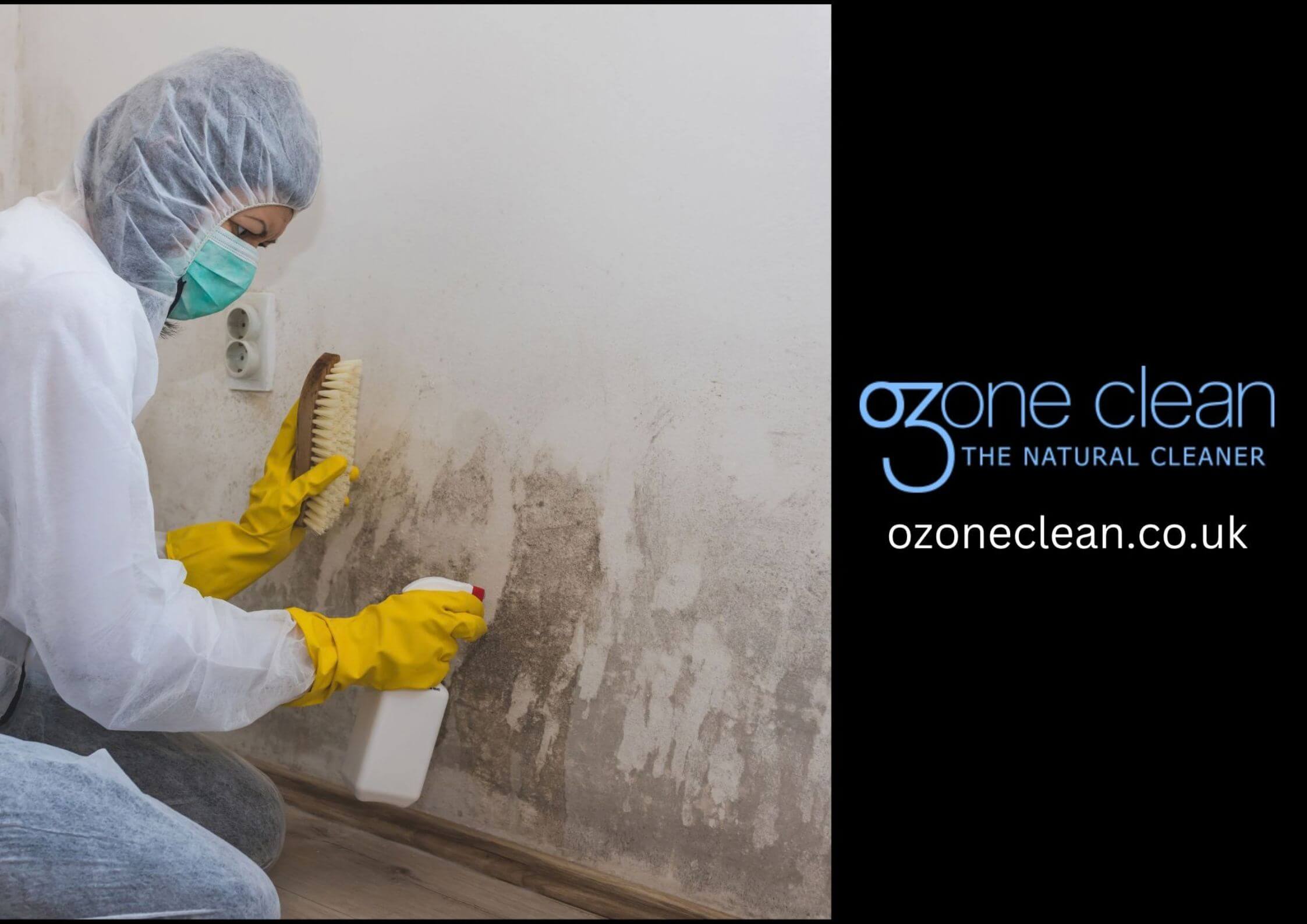
Mould and Mildew Remediation: Tackling the Cause, Not Just the Smell
A musty room can leave a poor impression long before anyone notices a patch of mould. In a hotel, rental property or workplace, the temptation may be to focus on making the space smell better. However, effective mould and mildew remediation requires a broader approach: identify the moisture problem, address affected materials and establish whether the underlying issue has been resolved.
For anyone considering ozone equipment, that distinction matters. Odour treatment and mould remediation are not interchangeable. Understanding what each process can achieve helps property managers ask better questions, choose appropriate support and avoid paying for a treatment that does not address the real problem.
Start by understanding why mould is growing
Mould needs moisture to grow. Leaks, water damage and condensation can create suitable conditions, including in places that are not immediately visible. Cleaning a surface without resolving the source of dampness leaves the conditions for growth in place.
The US Environmental Protection Agency identifies moisture control as the central principle of mould prevention. It also explains that mould cannot be eliminated completely from the indoor environment, but growth can be controlled by managing moisture. The objective is therefore not an unrealistic promise of a permanently spore-free building. It is a dry, properly maintained environment with contamination addressed appropriately. EPA guide to mould and moisture.
For a property manager, the first useful question is not “Which machine should we use?” It is “Where is the moisture coming from, and what needs to change?”
Treat recurring mould as a warning
A patch that returns after cleaning deserves investigation. Keep a record of where it appears, when it returns and whether it follows rainfall, a leak or a change in how the room is used. These observations can help a competent assessor understand the pattern without relying on guesswork.
Damp and mould should not be dismissed as cosmetic issues. UK Government guidance explains that exposure can affect the respiratory system, eyes and skin, with some people particularly vulnerable. The guidance stresses addressing underlying causes rather than relying on surface treatment alone. UK guidance on damp and mould.
Where occupants raise concerns, record and investigate them promptly. A freshly decorated wall is not evidence that the original cause has been corrected.
Assess the affected materials before choosing a treatment
Different materials can require different responses. Mould on a cleanable hard surface is not the same problem as growth within absorbent material. The extent of water damage, the type of contamination and the possibility of hidden growth all influence the work required.
EPA guidance notes that mouldy porous materials, such as ceiling tiles and carpet, may need to be discarded because growth can be difficult or impossible to remove completely. Extensive damage, sewage contamination or suspected involvement of heating and ventilation systems warrants specialist consideration. EPA mould cleanup guidance.
Ask what the proposed work actually includes
A useful proposal should explain the problem being addressed and the intended result. Does it cover investigation, moisture repairs, drying, cleaning, removal of damaged material or only odour treatment?
Ask how the contractor will protect unaffected areas and how completion will be assessed. Clear scope makes it easier to compare quotations fairly. Two services described as “mould treatment” may involve very different work.
Understand where ozone fits, and where it does not
Ozone is a reactive gas used in some controlled treatment processes. However, its chemical activity does not establish that a portable generator will resolve mould throughout a building.
The EPA states that, at concentrations within public health standards, ozone is not effective at removing mould and other biological pollutants from indoor air. It also warns that contamination within porous materials may remain unaffected even at higher concentrations. Ozone should therefore not be presented as a replacement for moisture control and physical remediation. EPA assessment of ozone generators.
A proposal involving ozone should identify a specific, evidence-supported purpose and explain why the process is suitable for that setting. A general claim that it “kills everything” is not an adequate specification.
Separate odour improvement from successful remediation
A change in smell does not show that contaminated material has been removed or a hidden leak repaired. Ozone reactions can also create other airborne substances, so a perceived improvement in freshness is not a reliable measure of indoor air quality. EPA ozone guidance.
Keep any assessment of residual odour separate from the assessment of the building’s moisture and mould condition. If a musty smell remains after repairs and cleaning, ask whether further investigation is needed before commissioning an additional treatment.
For hotels and managed properties, this distinction also improves communication. Staff need to know whether a room is awaiting repairs, remediation, inspection or an optional odour assessment. Describing every stage simply as “cleaning” can obscure what remains outstanding.
Safety must be part of any ozone proposal
Ozone can damage the respiratory system. UK health and safety guidance requires workplace risks to be assessed and exposure prevented or adequately controlled. It also identifies potential effects on materials including rubber, textiles and certain plastics. Equipment suitability therefore involves both people and the contents of the room. HSE ozone safety guidance.
Room-scale ozone shock treatment must take place in an unoccupied, controlled area, with people and pets excluded. A competent operator should establish isolation arrangements, ventilation, monitoring and safe re-entry criteria before work begins. Adjacent occupied spaces must also be considered.
Do not treat a timer finishing as proof that a room is safe. Ozone decay varies with conditions, and a generic waiting period is not a substitute for a validated procedure. Appropriate measurements should confirm that re-entry criteria have been met. HSE guidance on exposure monitoring.
Plan the handover, not just the treatment
Before returning a space to normal use, ask for a clear account of what was found and what was done. Records should distinguish repaired moisture sources, cleaned or replaced materials and any further work recommended.
Agree who will check the area again and what should trigger another inspection. A recurring stain, renewed dampness or returning odour should prompt attention rather than another automatic treatment cycle.
This approach helps turn a one-off response into an ongoing maintenance process. It also gives future staff or contractors useful information if the problem returns, reducing the need to reconstruct events from memory.
Discuss equipment suitability with Ozone Clean
Ozone Clean supplies ozone generators for odour-treatment applications. If you are considering equipment following a damp or mould problem, discuss the precise application, operating requirements and limitations before choosing a model.
Explain the property’s use, the suspected odour source and what remediation has already taken place. Ask what evidence supports the proposed application and what safety arrangements are required. Where the building still needs moisture investigation or mould removal, those tasks should be addressed through appropriate specialists.
Explore Ozone Clean’s equipment range or contact Ozone Clean to discuss your requirements. Call +44 (0)20 8883 2756 or email sales@ozoneclean.co.uk.
Successful mould and mildew remediation begins with the cause. Any additional treatment should have a defined purpose within that wider process, never replace it.