The Importance of Indoor Air Quality
Indoor air quality has become an increasingly significant concern for businesses, institutions, and households alike. Modern buildings are designed to be energy efficient, often resulting in sealed environments where air circulation is limited. While this improves heating and cooling efficiency, it can also allow contaminants to accumulate within the indoor environment.
Airborne bacteria, viruses, mould spores, allergens, and chemical pollutants can all contribute to poor air quality. These contaminants may affect employee wellbeing, productivity, and overall health in workplaces, while also creating unpleasant odours and hygiene challenges in various environments.
As awareness of indoor air quality continues to grow, businesses and property owners are seeking effective solutions that go beyond traditional ventilation and filtration systems. One technology that has gained significant attention in recent years is ozone air sanitisation.
What Is Ozone and How Does It Work?
Ozone is a naturally occurring gas composed of three oxygen atoms (O₃). It is highly reactive and possesses powerful oxidising properties, which enable it to neutralise a wide range of contaminants.
When ozone comes into contact with organic molecules such as bacteria, viruses, or odour-causing compounds, it breaks down their molecular structure through oxidation. This process effectively destroys many microorganisms and neutralises odours rather than simply masking them.
Unlike traditional chemical disinfectants that leave residues, ozone naturally breaks down into oxygen after completing its sanitising function. This characteristic makes ozone particularly attractive for use in controlled sanitisation applications.
Applications of Ozone Air Sanitisation
Ozone air sanitisation systems can be used in a wide variety of indoor environments where air quality is critical. These systems are often implemented in commercial, industrial, and residential settings.
Offices and Workspaces
In office environments, air quality can have a direct impact on employee comfort and productivity. Poor ventilation, high occupancy levels, and shared facilities can contribute to the spread of airborne microorganisms and unpleasant odours.
Ozone-based air sanitisation systems can help reduce airborne contaminants and maintain a fresher indoor environment, contributing to improved workplace conditions.
Hospitality and Accommodation
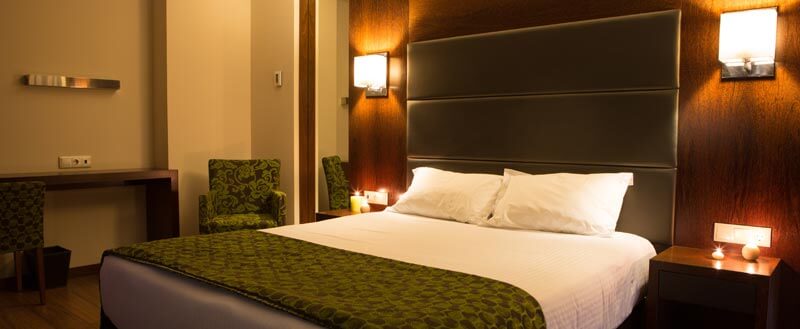
Hotels, restaurants, and other hospitality venues must maintain high hygiene standards while ensuring a pleasant experience for guests. Ozone technology can assist with removing persistent odours from rooms, corridors, and shared spaces.
By eliminating odours at the molecular level rather than masking them, ozone treatment can help maintain a cleaner atmosphere throughout hospitality premises.
Healthcare and Clinical Environments
In healthcare facilities, controlling airborne contamination is especially important. While strict protocols and specialised equipment are typically used in clinical settings, ozone technology may also be employed in certain sanitisation processes to assist with environmental hygiene.
Residential Properties
In homes, ozone air sanitisation may be used to address odours from pets, cooking, smoke, or damp environments. It can also assist with improving air quality in enclosed areas such as basements or poorly ventilated rooms.
Advantages of Ozone Air Sanitisation
There are several reasons why ozone technology has become a widely discussed solution for air sanitisation.
Effective Odour Elimination
Many traditional air freshening products simply mask unpleasant smells. Ozone works differently by chemically breaking down odour-causing molecules, eliminating the source of the smell.
Broad Spectrum Sanitisation
Ozone has the ability to neutralise a wide range of microorganisms and contaminants, making it a versatile solution in environments where hygiene is a priority.
Residue-Free Sanitisation
Because ozone eventually reverts back to oxygen, it does not leave behind chemical residues. This makes it suitable for applications where chemical exposure is undesirable.
Penetration Into Hard-To-Reach Areas
Unlike surface cleaning methods, ozone gas can disperse throughout a space and penetrate areas that may be difficult to reach using conventional cleaning techniques.
Safety and Professional Application
While ozone can be highly effective when used appropriately, it is important that ozone generators and sanitisation processes are used correctly and in accordance with safety guidelines.
Professional-grade ozone equipment is typically designed to be used in controlled conditions, often when areas are unoccupied. This ensures that sanitisation processes are carried out safely while delivering optimal results.
Proper understanding of equipment capacity, exposure time, and room size is essential to ensure effective treatment without unnecessary risk.
The Role of Ozone Technology in Modern Sanitisation
As awareness of environmental hygiene continues to grow, many businesses are exploring technologies that complement traditional cleaning practices. Ozone air sanitisation is increasingly being considered as part of a broader strategy to maintain healthier indoor environments.
Rather than replacing existing cleaning and ventilation systems, ozone technology is often used as an additional layer of sanitisation that helps address airborne contaminants and persistent odours.
With appropriate equipment and responsible use, ozone systems can play a valuable role in improving air quality across a wide range of indoor settings.
In Summary
Maintaining clean and healthy indoor air is an important objective for both commercial organisations and homeowners. As buildings become more energy efficient and enclosed, technologies that help manage airborne contaminants are becoming increasingly relevant.
Ozone air sanitisation provides a powerful method of addressing bacteria, odours, and other pollutants within indoor spaces. Through its natural oxidising properties, ozone can neutralise many contaminants and contribute to improved air quality when used responsibly.
For organisations seeking effective sanitisation solutions, ozone technology represents a practical option that complements modern hygiene practices while supporting cleaner indoor environments.
Read More

What is an Ozone Generator?

Ozone – How to choose
Case Study – Hotels
My Presentation to the UKHA