In recent years, ozone generators have become an increasingly important tool for businesses across the UK looking to improve air quality, eliminate odours, and maintain high hygiene standards. From hotels and offices to industrial facilities and rental properties, ozone technology is now widely used as a powerful alternative to traditional cleaning and air purification methods.
However, choosing the right ozone generator for commercial use is not straightforward. There are significant differences in output capacity, application suitability, safety requirements, and regulatory considerations. Selecting the wrong unit can lead to ineffective results, operational inefficiencies, or even safety risks.
This guide provides a detailed, practical breakdown of how UK businesses can choose the right ozone generator based on their specific requirements.
What Is an Ozone Generator and How Does It Work?
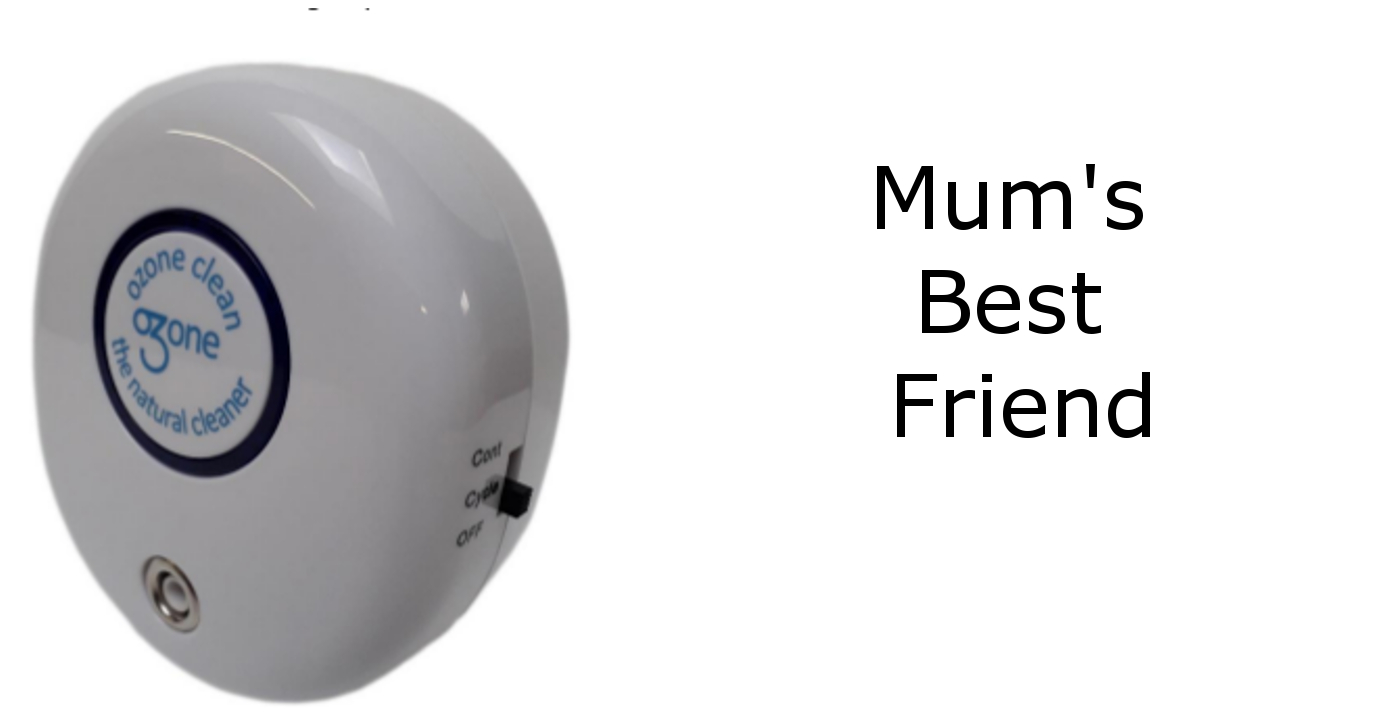
An ozone generator produces ozone (O₃), a molecule made up of three oxygen atoms. Unlike standard oxygen (O₂), ozone is highly reactive and works by oxidising pollutants, bacteria, viruses, and odour-causing compounds.
When ozone comes into contact with contaminants, it breaks them down at a molecular level rather than simply masking smells. This makes it particularly effective for:
- Removing stubborn odours such as smoke, mould, and food smells
- Killing bacteria, viruses, and fungi
- Neutralising airborne pollutants and allergens
For commercial environments, this level of deep treatment is often required where traditional cleaning methods fall short.
Key Commercial Applications of Ozone Generators
Understanding your use case is the first step in selecting the correct machine. Different industries require different levels of ozone output and operational control.
1. Offices and Commercial Buildings
Used to improve indoor air quality, particularly in shared workspaces where air circulation is limited.
2. Hospitality Sector (Hotels, Airbnb, Guest Houses)
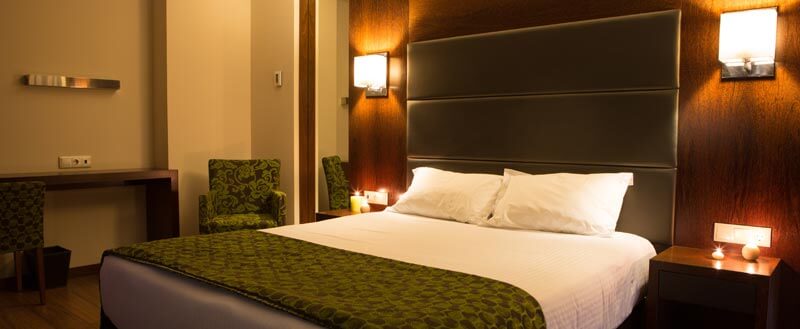
Ideal for eliminating odours between guest stays, especially smoke or food-related smells.
3. Property Management and Lettings
Widely used for end-of-tenancy deep cleaning and odour removal in rental properties.
4. Industrial and Manufacturing Facilities
Used for large-scale air purification and removal of chemical or organic odours.
5. Vehicles and Transport Fleets
Applied in taxis, buses, and delivery vehicles to maintain hygiene and eliminate persistent smells.
Each of these applications requires a different level of ozone concentration and exposure time, which directly impacts the type of generator you should choose.
Understanding Ozone Output (Critical Factor)
The most important specification when choosing an ozone generator is its ozone output, typically measured in milligrams per hour (mg/h).
Low Output (500–5,000 mg/h)
Suitable for:
- Small offices
- Vehicles
- Light odour control
Medium Output (5,000–15,000 mg/h)
Suitable for:
- Medium-sized rooms
- Rental properties
- Hotel rooms
High Output (15,000–60,000+ mg/h)
Suitable for:
- Large commercial spaces
- Warehouses
- Industrial environments
Choosing an underpowered machine will result in ineffective treatment, while an overpowered unit may create unnecessary safety risks if not used correctly.
Room Size and Coverage Area
Every ozone generator is designed to treat a specific maximum area. This is typically measured in square metres (m²) or cubic metres (m³).
When selecting a unit, consider:
- Ceiling height (not just floor space)
- Airflow and ventilation
- Level of contamination or odour intensity
For example, a heavily contaminated property may require a higher output machine even if the room size is relatively small.
Timer Functions and Automation
For commercial use, programmable timers are essential.
Ozone should only be used in unoccupied spaces due to its high reactivity. A timer allows you to:
- Set treatment duration
- Automatically shut off the machine
- Ensure safe re-entry after ozone dissipates
Advanced models may include:
- Remote controls
- Delayed start functions
- Digital control panels
These features are particularly valuable for businesses managing multiple properties or large facilities.
Portability vs Fixed Systems
Portable Ozone Generators
- Ideal for property managers and cleaning companies
- Can be moved between rooms or sites
- Lower upfront cost
Fixed / Installed Systems
- Used in HVAC systems or industrial settings
- Continuous air treatment
- Higher installation cost but long-term efficiency
Your decision should be based on whether you need flexibility or a permanent solution.
Safety Considerations (Non-Negotiable)
Ozone is highly effective but must be used correctly.
Key safety guidelines include:
- Never use ozone generators in occupied spaces
- Ensure proper ventilation after treatment
- Follow manufacturer exposure limits
- Use warning signs during operation
In the UK, businesses should also be aware of workplace safety obligations under regulations such as COSHH (Control of Substances Hazardous to Health).
Choosing a unit with built-in safety features such as automatic shut-off and timers is strongly recommended.
Energy Efficiency and Running Costs
Commercial users should consider the long-term cost of operating ozone generators.
Factors affecting efficiency include:
- Power consumption (watts)
- Frequency of use
- Treatment duration
Modern ozone generators are relatively energy-efficient, especially when compared to ongoing chemical cleaning costs.
Maintenance Requirements
To ensure consistent performance, ozone generators require minimal but important maintenance.
This may include:
- Cleaning ozone plates or tubes
- Replacing filters (if applicable)
- Checking fans and internal components
Higher-quality machines tend to have longer lifespans and lower maintenance frequency, making them more cost-effective over time.
Compliance and UK Regulations
While ozone generators are legal in the UK, businesses must ensure they are used responsibly.
Key considerations include:
- Health and safety compliance
- Risk assessments for staff exposure
- Proper staff training
- Clear operating procedures
Failure to follow guidelines could result in liability issues, particularly in commercial environments.
Common Mistakes to Avoid
Many businesses make avoidable errors when purchasing ozone generators:
- Choosing based on price alone rather than output
- Underestimating required capacity
- Ignoring safety features
- Using domestic units for commercial purposes
Avoiding these mistakes will ensure you get maximum value and effectiveness from your investment.
Why Businesses Are Switching to Ozone Technology
Ozone generators are becoming a preferred solution because they:
- Eliminate odours permanently rather than masking them
- Reduce reliance on chemicals
- Provide deep sanitation at a molecular level
- Save time in commercial cleaning processes
For many UK businesses, this translates into improved efficiency and better customer experiences.
Finally
Choosing the right ozone generator for commercial use in the UK requires a clear understanding of your environment, usage requirements, and safety obligations.
By focusing on key factors such as ozone output, room size, portability, and safety features, businesses can invest in a solution that delivers long-term value and reliable performance.
If you are unsure which system is right for your needs, it is always advisable to consult with a specialist supplier who can recommend the most suitable equipment based on your specific use case.
FAQs
What size ozone generator do I need for commercial use?
This depends on the size of the space and the level of contamination. Larger or heavily affected areas require higher output machines.
Are ozone generators safe for businesses?
Yes, when used correctly in unoccupied spaces and following safety guidelines.
How long does ozone treatment take?
Typically between 30 minutes and several hours depending on the application.
Can ozone remove smoke and mould smells?
Yes, ozone is highly effective at breaking down stubborn odours at a molecular level.
Read More

What is an Ozone Generator?

Ozone – How to choose
Case Study – Hotels
My Presentation to the UKHA