Maintaining high standards of cleanliness and hygiene is a critical requirement for businesses across the UK. Whether in offices, hospitality settings, healthcare environments, or rental properties, effective cleaning is essential not only for appearance but also for health, safety, and customer satisfaction.
Traditionally, businesses have relied on chemical cleaning agents, disinfectants, and manual labour to achieve these standards. However, ozone sterilisation is rapidly emerging as a powerful alternative that offers deeper, more efficient results.
Understanding the difference between ozone sterilisation and traditional cleaning methods is essential for businesses looking to improve outcomes, reduce costs, and adopt more advanced hygiene solutions.
What Is Traditional Cleaning?
Traditional cleaning methods typically involve a combination of:
- Chemical disinfectants
- Detergents and surface cleaners
- Manual scrubbing and wiping
- Air fresheners for odour control
These methods are designed to remove visible dirt, kill bacteria on surfaces, and improve overall appearance.
While effective to a degree, traditional cleaning has limitations, particularly when dealing with:
- Airborne contaminants
- Hidden bacteria in hard-to-reach areas
- Deep-set odours embedded in materials
What Is Ozone Sterilisation?
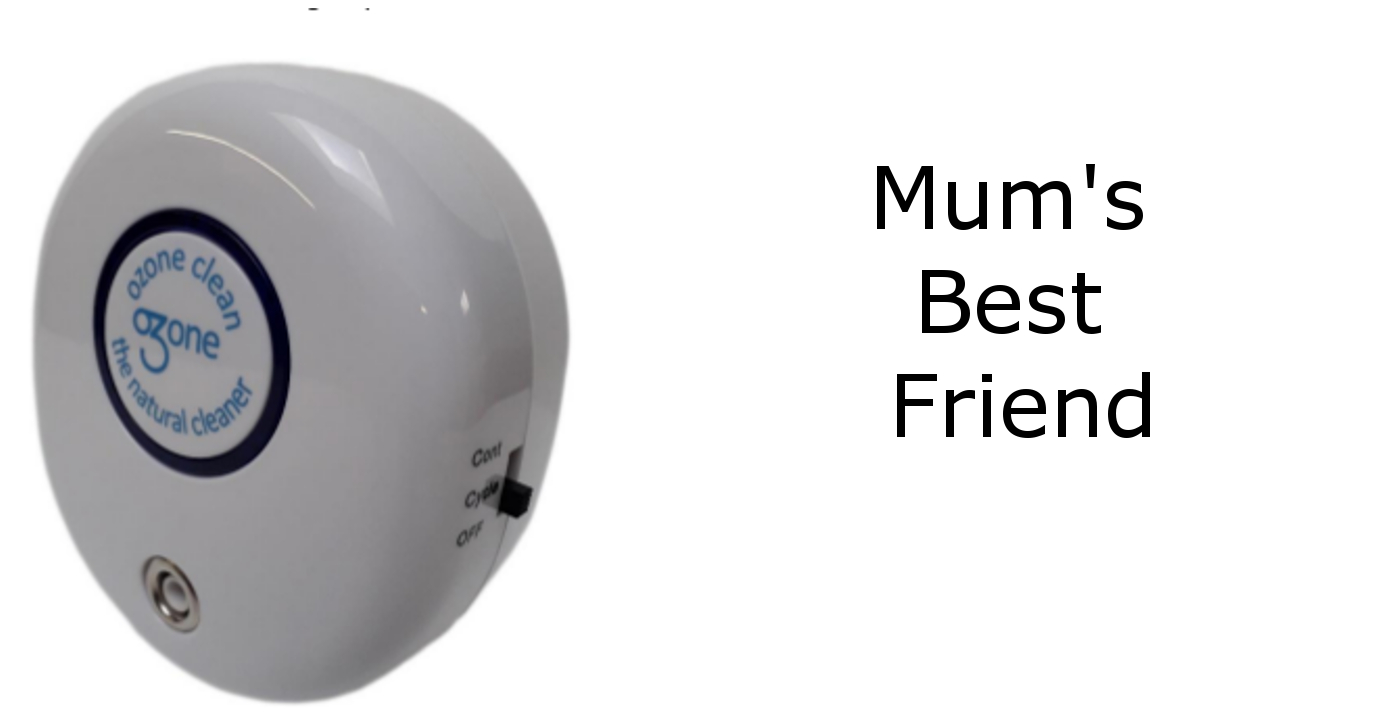
Ozone sterilisation uses ozone gas (O₃) to disinfect and deodorise environments at a molecular level.
Unlike traditional cleaning, ozone does not rely on surface contact. Instead, it:
- Penetrates fabrics, walls, and ventilation systems
- Oxidises bacteria, viruses, and mould
- Breaks down odour-causing compounds completely
This allows ozone to reach areas that manual cleaning simply cannot access.
Key Differences Between Ozone and Traditional Cleaning
1. Surface Cleaning vs Full-Space Treatment
Traditional cleaning is largely surface-based. It focuses on wiping and disinfecting visible areas.
Ozone sterilisation treats the entire space, including:
- Air
- Soft furnishings
- Carpets
- Hidden corners and ducts
This makes ozone significantly more comprehensive.
2. Odour Masking vs Odour Elimination
Many traditional methods rely on air fresheners or scented products to mask odours.
Ozone works differently. It chemically alters and neutralises odour molecules, meaning:
- Smells are permanently removed
- No fragrance is required
- No residue is left behind
This is particularly valuable in hospitality and property management settings.
3. Labour Intensity and Time Efficiency
Traditional cleaning is labour-intensive and time-consuming, requiring:
- Staff hours
- Repeated applications
- Physical effort
Ozone sterilisation is largely automated. Once the machine is set:
- Minimal supervision is needed
- Large areas can be treated simultaneously
- Turnaround times can be reduced
For businesses managing multiple sites, this creates a significant operational advantage.
4. Chemical Use vs Chemical-Free Cleaning
Traditional cleaning relies heavily on chemical products, which can:
- Leave residues
- Trigger allergies or sensitivities
- Require storage and handling procedures
Ozone sterilisation is chemical-free. After treatment, ozone naturally reverts back to oxygen.
This makes it an attractive option for businesses seeking more environmentally conscious cleaning solutions.
5. Effectiveness Against Microorganisms
While disinfectants can kill many bacteria and viruses on surfaces, their effectiveness depends on:
- Correct application
- Contact time
- Coverage
Ozone, due to its oxidative properties, is highly effective against:
- Bacteria
- Viruses
- Mould spores
It works uniformly throughout the treated space, reducing the risk of missed areas.
Where Traditional Cleaning Still Plays a Role
Despite its advantages, ozone sterilisation does not completely replace traditional cleaning.
Physical cleaning is still required for:
- Removing dirt and debris
- Cleaning visible stains
- Maintaining general appearance
In practice, the most effective approach is often a combined strategy, where:
- Traditional cleaning handles surface-level dirt
- Ozone sterilisation provides deep sanitation and odour removal
Commercial Use Cases Where Ozone Outperforms
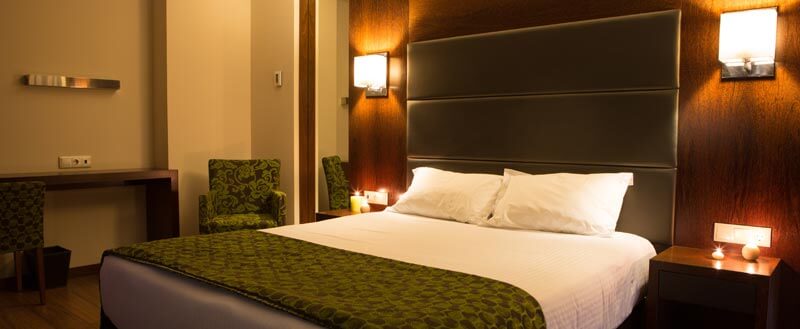
Hospitality (Hotels, Airbnb, Guest Accommodation)
Ozone is highly effective for:
- Eliminating smoke odours
- Refreshing rooms between guests
- Maintaining high hygiene standards
Property Management and Lettings
Particularly useful for:
- End-of-tenancy cleaning
- Removing pet or cooking odours
- Preparing properties for new tenants
Offices and Workspaces
Improves:
- Indoor air quality
- Employee comfort
- Overall hygiene in shared environments
Industrial and Commercial Facilities
Helps manage:
- Persistent odours
- Airborne contaminants
- Large-scale sanitation requirements
Cost Considerations
At first glance, traditional cleaning may appear more affordable due to lower upfront costs.
However, over time, businesses must account for:
- Ongoing purchase of cleaning chemicals
- Labour costs
- Time inefficiencies
Ozone generators involve an upfront investment but can reduce long-term operational costs by:
- Minimising chemical use
- Reducing labour requirements
- Improving efficiency
Safety Considerations
Both methods require proper handling.
Traditional cleaning involves chemical safety risks, including:
- Skin irritation
- Respiratory issues
- Incorrect mixing of products
Ozone requires controlled use:
- Spaces must be unoccupied during treatment
- Proper ventilation is required afterwards
- Equipment must be used according to guidelines
When used correctly, both methods are safe, but ozone requires stricter operational control.
Environmental Impact
Sustainability is becoming increasingly important for UK businesses.
Traditional cleaning products often:
- Contain harsh chemicals
- Contribute to environmental waste
- Require packaging and disposal
Ozone sterilisation offers a cleaner alternative:
- No chemical residues
- Reduced waste
- Lower environmental footprint
This can also support businesses looking to improve their ESG positioning.
Common Misconceptions About Ozone Cleaning
Some businesses hesitate to adopt ozone due to misunderstandings.
“Ozone replaces all cleaning”
It does not replace physical cleaning but enhances it.
“Ozone is dangerous”
It is safe when used correctly in controlled, unoccupied environments.
“It’s only for industrial use”
Ozone is widely used across commercial and even residential settings.
Choosing the Right Approach for Your Business
The decision is not necessarily about choosing one method over the other.
Businesses should assess:
- Type of environment
- Level of contamination
- Frequency of cleaning required
- Budget and operational capacity
For most commercial applications, the optimal solution is integrating ozone sterilisation alongside traditional cleaning processes.
Why More UK Businesses Are Adopting Ozone Technology
Ozone sterilisation is gaining traction because it delivers:
- Deeper cleaning results
- Improved efficiency
- Reduced reliance on chemicals
- Better odour control
As expectations around hygiene continue to rise, particularly post-pandemic, businesses are increasingly turning to advanced solutions that go beyond basic cleaning.
FAQs
Is ozone better than traditional cleaning?
Ozone is more effective for deep sanitation and odour removal, while traditional cleaning is necessary for surface-level dirt.
Can ozone replace disinfectants?
It complements rather than replaces them. Both methods work best together.
Is ozone environmentally friendly?
Yes, as it reduces the need for chemical cleaning products.
How often should ozone treatment be used?
This depends on the environment, but many businesses use it regularly as part of their cleaning routine.
Read More

What is an Ozone Generator?

Ozone – How to choose
Case Study – Hotels
My Presentation to the UKHA